


Key Takeaways:
- The biggest risk in a self-filed family immigration case is often not a typo but a government record that locks in inconsistent facts, weak evidence, or omissions that are harder to correct later.
- A self-filed petition follows your family through USCIS, the National Visa Center, and consular interviews in Mexico, so an early mistake can become months of delay, added scrutiny, or a problem in a later waiver or green card step.
- Filing on your own can also overlook the stronger-case strategy, including the right petition category, the right processing path, and whether a waiver issue should be addressed before anything is submitted.
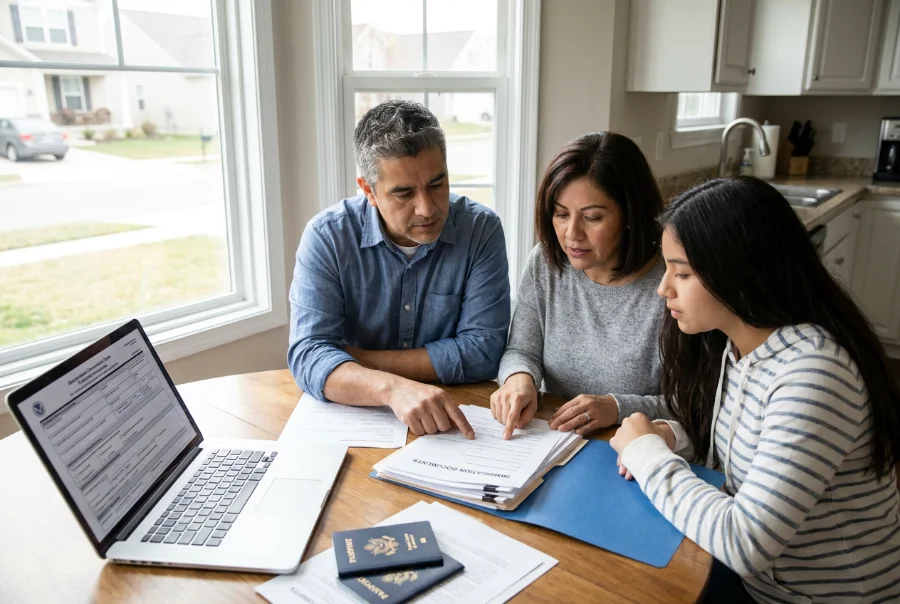
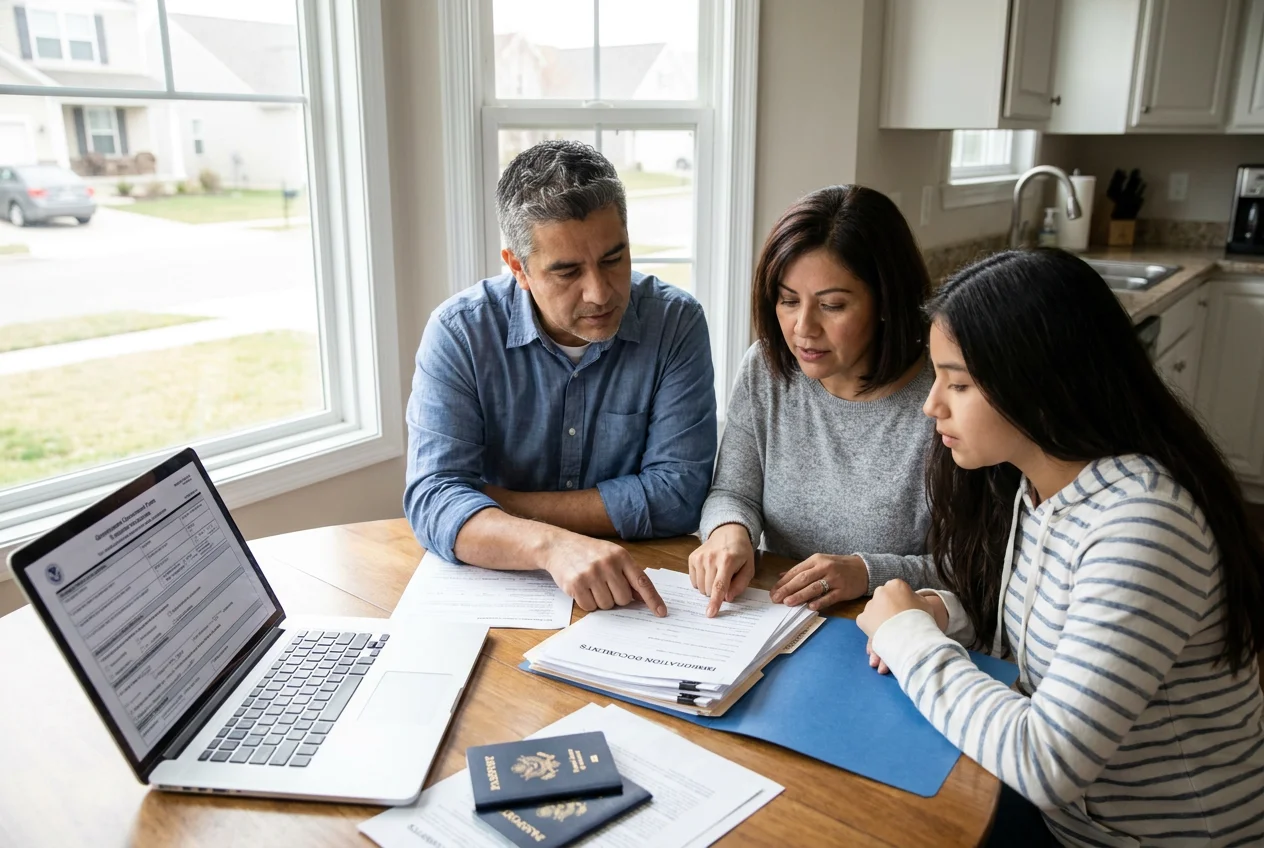
The I-130 petition you file today becomes part of a permanent government record. USCIS, the National Visa Center, and every consular officer who reviews your case afterward will read that record alongside whatever comes next. It does not reset between stages. The real risks of self-filing immigration are not limited to a missed signature: inconsistent records, weak evidence, and missed case strategy compound at every stage of the U.S.-Mexico process, affecting future family immigration options long after the original filing.
If you are weighing whether to file a marriage petition or parent petition on your own, KPB Immigration Law Firm can help you understand what is actually at stake before you submit.
Hidden Risks in a Self-Filed Family Immigration Case
The hidden risks of filing a family-based immigration case without a lawyer do not appear on a rejection notice. They appear at a National Visa Center document request, a consular interview, or a second petition, when an officer compares what you submitted today against what is already in your government record and finds they do not match.
Your Record Is Harder to Correct Than You Think
Small inconsistencies in dates, prior addresses, name spellings, or immigration history become part of your official file the moment you submit. USCIS policy allows approvals to be revoked and cases reopened when those inconsistencies surface later. Correcting them after the fact is far more complicated than getting them right before filing.
Answering the Form Is Not the Same as Proving the Case
A completed form tells USCIS the facts. Evidence is what makes those facts believable. USCIS evidentiary standards require primary documentation, and gaps in evidence of relationship, financial support, or immigration history can trigger a Request for Evidence (RFE) or a Notice of Intent to Deny. As KPB's own analysis of RFE responses shows, the cost of responding to one is almost always higher than building the packet correctly at the start.
Small Omissions Create Credibility Problems at the Interview
Officers reviewing a marriage petition or parent petition are trained to compare your current answers against prior filings and official records. According to CLINIC's RFE and NOID guidance, documentary gaps and inconsistencies are among the most common triggers for additional scrutiny. What feels like a minor omission to you can read as a credibility issue to the officer reviewing it.
How a Self-Filed Petition Can Affect Future Family Options
A self-filed family immigration petition does not stay in one place. It follows your case through every subsequent stage, including document collection at the National Visa Center, a consular interview in Ciudad Juárez or Guadalajara, and future applications for waivers or adjustment of status. For families moving between Northern California and Mexico, that connection between early filings and later outcomes is where the real risk sits.
One Filing Becomes Part of Every Filing After It
Every subsequent filing, from National Visa Center document collection to a visa application or adjustment of status, is reviewed alongside the first submission. According to USCIS policy on fraud and willful misrepresentation, even unintentional errors in an earlier petition can be treated as material misrepresentation. A finding like that can result in a lifetime bar to admissibility, a consequence that no later correction can undo.
Consular Processing Raises the Stakes
Consular officers apply the State Department's own standards when reviewing what you disclosed at earlier stages. A discrepancy between a self-filed petition and an answer in a visa application can raise credibility questions that are difficult to resolve during the interview window. What seemed manageable during initial filing becomes a harder problem to walk back at the consulate.
Self-Filing Can Miss a Better Path Entirely
Choosing between consular processing and adjustment of status, or knowing when to file a provisional unlawful presence waiver before a visa interview, are strategic decisions that depend on a person's full immigration history.
A self-filer working from a form checklist may choose a path that is technically available but strategically weaker, or miss that a waiver issue needs to be addressed before any petition is filed at all. KPB's TPS-to-green card analysis shows this pattern directly: prior status and earlier filings determine which options remain open and which have already closed.
Delays Compound for Cross-Border Families
For families coordinating between Northern California and Mexico, an avoidable delay is not just an abstract setback. Documents expire. Travel arrangements get disrupted. Children, spouses, and parents spend more time separated while a correctable problem works its way through the system.
KPB's Guadalajara office supports families on both sides of the border precisely because the process does not pause when it crosses a border, and neither should the legal support behind it.
Review the Case Before a Small Filing Issue Becomes a Bigger Delay
Immigration self-filing risks often surface well after the original submission, at the RFE stage, the National Visa Center, or a consular interview. A form like the I-130 can be rejected for something as specific as a missing signature or a wrong edition page. The I-485 adjustment checklist runs several pages long, with gaps in translations, missing medical exams, or absent civil records, each of which can trigger a request for more evidence that stalls the case for months.
Under USCIS evidentiary standards, the burden of proof sits with the applicant from the moment of filing, which means what you leave out on day one can still matter at a consular interview a year later.
A legal review before filing can catch record conflicts, evidence gaps, and path errors before they reach USCIS, the National Visa Center, or the consulate. For families coordinating between Northern California and Mexico, that review is also where a weaker filing strategy gets replaced by a stronger one. KPB Immigration Law Firm works exclusively in immigration law, handles family-based matters across both sides of the border, and communicates in the language you actually use, so the review is thorough and the next step is clear.
If your family petition is already filed or you are weighing whether to file on your own, schedule a consultation with KPB Immigration Law Firm to review where your case stands before a small gap becomes a longer delay.

