

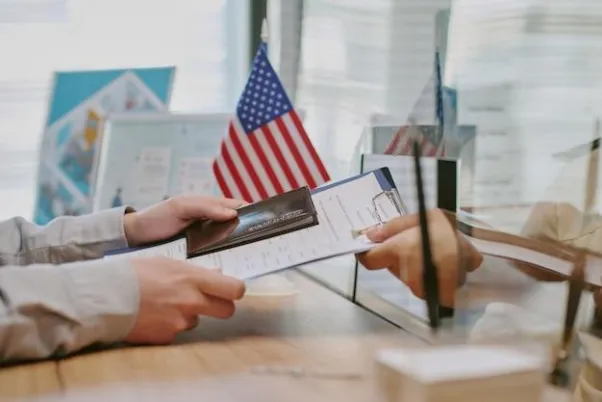

Applying for a U.S. visitor visa can involve several steps, from determining eligibility and completing the application to preparing for a consular interview. Applicants seeking to travel to the United States temporarily for business, tourism, or certain medical purposes generally need to understand the requirements before submitting their application. KPB immigration provides immigration-related legal guidance to individuals and families navigating U.S. immigration procedures and can help applicants understand the requirements that may apply to their circumstances.
For applicants in the San Francisco area, understanding how the B-1/B-2 visa works can help prevent avoidable errors. A well-prepared US visitor visa application should clearly explain the purpose of the proposed trip, demonstrate eligibility for the requested visa classification, and provide accurate information throughout the process.
What Is a B-1/B-2 Visitor Visa?
The B-1/B-2 visa is a temporary, nonimmigrant visa category generally used for eligible visitors traveling to the United States for business or tourism-related purposes. The B-1 classification is primarily associated with temporary business activities, while B-2 is generally used for tourism, vacation, visiting family or friends, and certain other temporary purposes.
Although the B-1 and B-2 classifications are commonly issued together, the applicant must still establish that the proposed travel falls within the activities permitted under the applicable visa category. A visitor visa does not provide authorization to work in the United States or remain permanently.
The purpose of the trip is therefore an important part of the application. Applicants should be able to explain why they want to visit, how long they expect to stay, and how they intend to support themselves during the trip.
Eligibility Requirements for a B-1/B-2 Visa
A visitor visa applicant generally needs to establish that the intended trip is temporary and that the applicant qualifies for the requested nonimmigrant classification. The applicant's circumstances, travel purpose, financial situation, and ties outside the United States may all be relevant to the assessment.
Under U.S. immigration law, many visitor visa applicants must demonstrate that they intend to depart the United States after their temporary visit. This means applicants should be prepared to explain their circumstances outside the United States and why those circumstances support their intention to return.
Temporary Purpose of Travel
The applicant should have a legitimate purpose that falls within the activities permitted under the B-1 or B-2 classification. For example, tourism may include visiting attractions, taking a vacation, or spending time with family or friends. Certain business activities may qualify under B-1, but ordinary employment in the United States generally does not.
The planned activities should be consistent with the visa classification. Applicants who intend to perform activities outside the scope of a visitor visa may need to consider another visa category.
Financial Ability
Applicants should be able to explain how the proposed trip will be funded. Depending on the circumstances, this may involve demonstrating personal financial resources or explaining legitimate financial support from another source.
Financial documentation should accurately reflect the applicant's circumstances. Providing documents that are inconsistent with the information stated in the application can create additional questions during the visa process.
Ties Outside the United States
A major consideration in a temporary visitor visa case can be whether the applicant has sufficient reasons to return after the planned visit. Employment, education, family responsibilities, property, business interests, and other established commitments may be relevant depending on the applicant's situation.
There is no single document that automatically proves strong ties. Instead, the overall circumstances should be presented accurately and consistently.
Understanding the US Visitor Visa Application Process
The US visitor visa application generally involves several stages. Applicants should carefully review the requirements applicable to their location and visa category before beginning the process.
The process commonly starts with completing the required online nonimmigrant visa application. Applicants then follow the applicable instructions for paying the visa fee and scheduling required appointments. Depending on the applicant's circumstances and location, additional procedures may apply.
The consular interview is another important part of the process. Applicants should answer questions truthfully and directly. The interview is an opportunity for the applicant to explain the purpose of travel and relevant personal circumstances.
Completing the Visa Application
Accuracy is essential when completing the application. Information such as employment history, travel history, family information, education, and other personal details should be entered carefully.
An applicant should not guess when a question requires specific information. Where an issue is unclear, obtaining appropriate guidance before submitting the application may help reduce the risk of inconsistent information.
Preparing for the Interview
Applicants should understand the basic details of their planned trip before attending the interview. They may be asked about the purpose of travel, intended length of stay, employment, family circumstances, previous international travel, or other matters relevant to the application.
Answers should be truthful and consistent with the information submitted in the application. Memorizing lengthy answers is generally unnecessary. Clear and concise responses are usually more appropriate than providing unnecessary information.
Common Mistakes Applicants Should Avoid
Visitor visa refusals can occur for different reasons, and an applicant's circumstances are considered individually. However, certain avoidable mistakes can make an application more difficult to assess.
Providing Inconsistent Information
Differences between the application, supporting documents, and interview responses can raise questions about the accuracy of the information provided. Applicants should review their application before submission and make sure that relevant information is complete and consistent.
Giving an Unclear Travel Purpose
An applicant should be able to explain why they want to visit the United States. A vague explanation may make it difficult to understand the proposed trip.
For example, simply stating that the applicant wants to "visit America" may not provide enough context. The applicant should understand the intended destination, approximate travel period, purpose of the visit, and general plans.
Assuming an Invitation Guarantees Approval
Some applicants believe that an invitation letter from a relative or friend in the United States guarantees visitor visa approval. It does not.
An invitation may help explain the purpose or arrangements for a visit in appropriate circumstances, but the applicant must still meet the requirements applicable to the visa classification. The applicant's own circumstances remain important.
Misrepresenting Information
Providing false information or omitting relevant information can have serious immigration consequences. Applicants should not alter employment history, travel history, financial information, family circumstances, or other details simply to make an application appear stronger.
If there is a potentially complicated issue in an applicant's background, discussing it with an immigration attorney before submitting the application may help the applicant understand the potential implications.
When Should You Consult an Immigration Lawyer in San Francisco?
Many straightforward visitor visa applications can be prepared by applicants themselves. However, professional legal guidance may be particularly useful when an applicant has a complicated immigration or travel history.
For example, an applicant may benefit from speaking with an immigration lawyer San Francisco if they have previously been refused a U.S. visa, overstayed a previous period of admission, encountered immigration-related complications, or have concerns about prior statements or applications.
Legal guidance can also be useful when the proposed trip involves circumstances that require careful consideration under U.S. immigration rules. The role of an attorney is not to guarantee approval, but to help the applicant understand applicable requirements and identify potential legal issues.
How a B-1/B-2 Visa Attorney Can Help
A B-1/B-2 visa attorney San Francisco may review an applicant's circumstances and help identify issues that could affect the visitor visa process. Depending on the case, this can include reviewing the intended purpose of travel, previous U.S. immigration history, application information, and relevant documentation.
An attorney may also explain the difference between acceptable visitor activities and activities that may require another immigration classification. This distinction is important because using a visitor visa for activities outside its permitted scope can create immigration problems.
For applicants with previous visa refusals, an attorney can also help explain what may have contributed to the previous outcome and whether the applicant's circumstances have changed sufficiently to support a new application.
Visitor Visa Refusal and Reapplication
A visa refusal does not necessarily mean an applicant can never obtain a U.S. visa. The appropriate next step depends on the reason for the refusal and the applicant's circumstances.
Some refusals involve a finding that the applicant did not sufficiently establish eligibility for the requested nonimmigrant visa. In other situations, additional legal or administrative issues may affect the case.
Applicants should avoid simply submitting the same application again without considering the reason for the previous refusal. If the underlying circumstances have not changed, a new application may face similar concerns.
A visitor visa lawyer San Francisco can help an applicant review the circumstances surrounding a previous refusal and determine whether additional preparation or legal analysis may be appropriate before reapplying.
Documents and Information to Prepare
The documents required for a visitor visa application can vary based on the applicant's circumstances. Applicants should follow the official instructions applicable to their visa appointment and location.
Common information that applicants may need to have available includes:
- A valid passport and required application information
- Confirmation of the completed visa application
- Appointment-related documentation
- Information about the intended trip
- Employment, education, or business information where relevant
- Financial information relevant to the proposed travel
- Details concerning previous U.S. travel or immigration history
Applicants should avoid submitting unnecessary documents simply to make an application appear stronger. The most important consideration is that the information provided is accurate, relevant, and consistent.
Preparing for a Successful Visitor Visa Interview
Preparation should focus on understanding the application rather than memorizing responses. Applicants should know their travel plans and be prepared to discuss their circumstances honestly.
It can be useful to review the information submitted in the application before the interview. Applicants should also be prepared to explain their employment, family circumstances, financial arrangements, and reason for traveling when those matters are relevant to the interview.
A consular officer may make a decision based on the information available during the application process. Applicants should therefore avoid assuming that a particular supporting document will automatically establish eligibility.
Key Takeaways for San Francisco Applicants
The B-1/B-2 visitor visa is designed for qualifying temporary business and tourism-related travel. Applicants should understand the permitted purpose of the visa, provide accurate information, and be prepared to explain their temporary travel plans.
There is no universal formula that guarantees visitor visa approval. Each application is assessed according to the applicant's individual circumstances and applicable U.S. immigration rules.
Applicants with straightforward cases can carefully follow the required application procedures. Those with previous refusals, complicated immigration histories, or questions about eligibility may wish to obtain professional legal guidance before proceeding. KPB immigration can help individuals understand immigration-related requirements and evaluate issues that may affect their case.
If you need clarification about your circumstances or want to discuss your immigration questions, you can Contact us to learn what legal guidance may be appropriate for your situation.

