

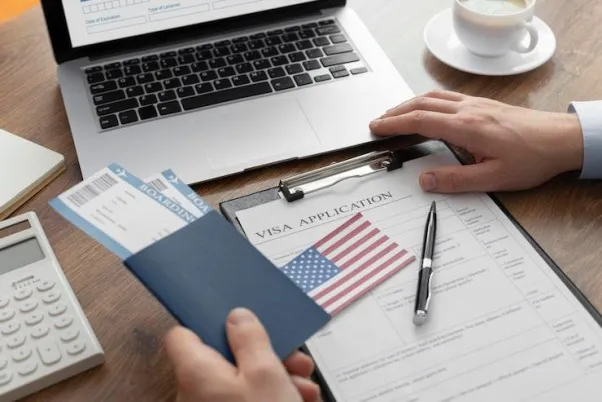

A US visa denial can be confusing and stressful, particularly when an applicant believes they have provided all the required documents and answered the interview questions correctly. Understanding why a visa application was refused is an important first step before deciding whether to apply again.
KPB immigration provides immigration-related legal guidance for individuals and families dealing with US immigration matters. For applicants facing a visa refusal, understanding the applicable immigration rules, reviewing the circumstances of the denial, and identifying the appropriate next step can help create a more informed reapplication strategy.
This guide explains common US visa refusal reasons, what happens after a denial, when reapplication may be possible, and how an immigration lawyer Sacramento applicants can consult may help them understand their options.
Understanding a US Visa Denial
A US visa denial means that a consular officer determined that the applicant was not eligible for the visa under the applicable US immigration law at the time of the decision. A denial does not necessarily mean that the applicant can never obtain a US visa.
The reason for the refusal is important because different legal provisions can lead to different outcomes. Some applicants may be able to address the issue and submit a new application, while others may need to obtain a waiver or resolve an underlying immigration concern before moving forward.
Applicants should carefully review the written information provided by the US consulate or embassy after the interview. The notice may identify the legal basis for the refusal and may explain whether additional action is available.
Temporary and Permanent Visa Refusal Issues
Not every visa refusal has the same effect. Some refusals occur because the applicant has not sufficiently established eligibility for the requested visa. In other situations, the refusal may involve issues such as prior immigration violations, fraud or misrepresentation, unlawful presence, criminal history, or other grounds of inadmissibility.
For this reason, simply submitting the same application again may not resolve the underlying problem. The applicant needs to understand what caused the original decision before determining the next step.
Common US Visa Refusal Reasons
There are several potential reasons a US visa application may be refused. The specific circumstances depend on the type of visa, the applicant's history, and the evidence presented during the application process.
Failure to Establish Eligibility
One of the common US visa refusal reasons is that the applicant did not establish eligibility for the visa category. For example, a temporary visa applicant may need to demonstrate that their circumstances are consistent with the requirements of the requested visa.
For certain nonimmigrant visas, the applicant may also need to demonstrate that their intended stay is temporary and that they have sufficient reasons to return after the authorized visit.
The consular officer evaluates the information provided during the application and interview. If the evidence does not sufficiently support eligibility, the application may be refused.
Incomplete or Insufficient Documentation
Documentation can play an important role in a visa application. Missing information, inconsistent records, or insufficient evidence can create difficulties during the adjudication process.
The required documentation varies depending on the visa category. Applicants should avoid assuming that documents used successfully in another application will automatically satisfy the requirements of a different visa.
Inadmissibility Concerns
Some applicants may be found inadmissible to the United States because of specific circumstances identified under US immigration law. Potential grounds can include certain criminal conduct, immigration violations, fraud or misrepresentation, health-related grounds, or other statutory provisions.
An inadmissibility issue can be more complicated than a simple documentation problem. Depending on the applicable ground, an applicant may need to explore whether a waiver or another legal remedy is available.
Previous Immigration Violations
Prior immigration history can affect a future visa application. Overstaying a period of authorized admission, working without authorization, violating visa conditions, or providing inaccurate information during a previous immigration process can raise concerns.
Applicants should disclose relevant information accurately. Attempting to hide a previous immigration issue can create additional complications.
Fraud or Misrepresentation
Providing false information or intentionally withholding material facts can have serious immigration consequences. If a consular officer determines that an applicant engaged in fraud or misrepresentation, the consequences may extend beyond the immediate visa application.
Because the legal consequences can be significant, anyone facing a refusal connected to alleged misrepresentation should obtain legal guidance before submitting another application.
What to Do After a US Visa Denial
After receiving a visa refusal, the first step is to determine the exact reason for the decision. Applicants should review the refusal notice and compare it with their application, supporting documentation, and interview responses.
A new application should not automatically be submitted immediately. Reapplying without addressing the reason for the original refusal may result in another denial.
Review the Refusal Notice
The refusal notice may reference a particular section of US immigration law. Understanding that provision is important because it can indicate whether the issue involves temporary eligibility, inadmissibility, documentation, or another legal concern.
Applicants should retain copies of the visa application, supporting documents, correspondence, and refusal notice. These records can be useful when reviewing the case or preparing a future application.
Identify What Has Changed
If an applicant plans to reapply, they should consider whether their circumstances have materially changed or whether they can provide additional evidence that addresses the previous concern.
For example, if the original application lacked sufficient evidence relevant to eligibility, a future application may require stronger documentation. However, documents should be relevant and truthful rather than simply added to make the application appear stronger.
Prepare for a Future Interview
For visa categories that require an interview, applicants should be prepared to explain their circumstances clearly and consistently. Answers should correspond with the information contained in the application and supporting records.
Applicants should not memorize artificial answers or provide information they believe the officer wants to hear. Clear, accurate responses are generally more appropriate than rehearsed explanations.
When Should You Reapply for a US Visa?
There is no universal rule that every applicant should wait for a specific period after a visa refusal. The appropriate timing depends on the reason for the denial and whether the applicant's circumstances have changed.
If the refusal resulted from insufficient evidence or circumstances that can be addressed, reapplication may be possible when the applicant can provide meaningful additional information.
However, if the refusal relates to a legal inadmissibility ground, a previous immigration violation, or another complex issue, the applicant may need to address that matter before submitting a new application.
A reapplication should therefore be based on the circumstances of the individual case rather than simply waiting a certain number of months.
How an Immigration Attorney Can Help After a Visa Denial
An immigration attorney Sacramento applicants consult can help them understand the legal basis for a refusal and determine what issues need attention before another application is submitted.
The attorney may review the applicant's immigration history, visa application, refusal documentation, and relevant supporting evidence. This review can help distinguish between a documentation issue and a more substantial legal problem.
Reviewing the Legal Basis for Refusal
A visa denial lawyer Sacramento applicants seek may examine the statutory provision cited in the refusal notice and explain its potential implications.
This can be particularly important when the refusal involves inadmissibility. The appropriate response may differ depending on the specific ground involved.
Assessing Reapplication Options
An attorney can also help determine whether reapplication is appropriate and what evidence may be relevant. In some cases, the focus may be on demonstrating eligibility. In others, the applicant may need to investigate a waiver or another immigration remedy.
The purpose of legal review is not to guarantee approval. Rather, it is to help the applicant understand the applicable requirements and make decisions based on the circumstances of the case.
Addressing Inconsistencies
Differences between a current application and previous immigration records can create questions during the visa process. An immigration attorney can review the information for potential inconsistencies and help the applicant understand what should be accurately disclosed.
Applicants should never alter facts simply to improve their chances of approval. Immigration applications should contain truthful and complete information.
Choosing an Immigration Law Firm for Visa-Related Matters
When looking for an immigration law firm, applicants should consider whether the firm handles matters relevant to their specific visa category and immigration concern.
Visa refusals can involve both factual and legal questions. A firm familiar with immigration procedures can help organize the relevant information and explain potential options based on the circumstances presented.
For applicants in Sacramento, working with an attorney familiar with US immigration law can also make it easier to discuss the local circumstances surrounding their case while ensuring that the analysis remains based on federal immigration requirements.
What Applicants Should Avoid After a Visa Refusal
A visa refusal can create pressure to act quickly, but rushing into another application can sometimes make the situation more complicated.
Applicants should avoid submitting identical applications without considering why the previous application was refused. They should also avoid providing inconsistent information, concealing previous immigration history, or submitting documents that cannot be verified.
Another common mistake is assuming that approval is guaranteed simply because another applicant with similar circumstances received a visa. Each application is evaluated according to its own facts, visa category, eligibility requirements, and immigration history.
Conclusion
A US visa denial should be evaluated according to the specific legal and factual circumstances behind the decision. Understanding the refusal notice, identifying the underlying issue, reviewing any changes in circumstances, and preparing accurate supporting information are important steps before reapplying.
Whether the issue involves eligibility, documentation, prior immigration history, or inadmissibility, applicants should avoid assuming that submitting another identical application will produce a different result. Professional legal guidance can help applicants understand the applicable immigration requirements and make a more informed decision about their next step.

