

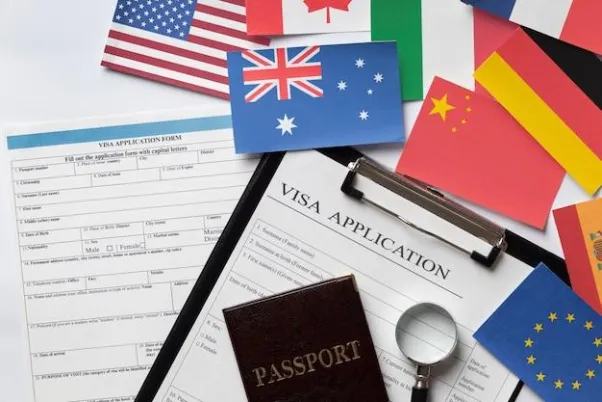

Immigration can involve multiple forms, deadlines, eligibility requirements, and government procedures. Whether someone is seeking employment in the United States, pursuing permanent residence, or exploring a temporary work option, understanding each stage of the process is important. Even a small misunderstanding about documentation or eligibility can create delays or affect an application.
KPB immigration helps individuals understand immigration procedures and the legal requirements that may apply to their circumstances. Immigration matters can differ significantly depending on a person's background, goals, visa category, and current immigration status. Understanding these differences can make it easier to prepare appropriate documentation and approach the process with realistic expectations.
Why Is the U.S. Immigration Process Difficult to Understand?
The U.S. immigration system includes different visa categories, eligibility rules, application forms, supporting documents, and procedural requirements. The correct process depends on what a person is trying to accomplish and whether they are applying from inside or outside the United States.
For example, employment-based immigration may involve an employer, a specific visa classification, labor certification requirements, or an immigrant petition. Temporary work visas can have different requirements from employment-based green card categories. Because these processes are not interchangeable, understanding which pathway applies is an important first step.
An immigration attorney can explain the relevant requirements in straightforward terms and help an applicant understand how the different stages connect. This does not guarantee approval, but it can help an applicant make informed decisions about the process.
What Does an Immigration Attorney Do?
An immigration attorney provides legal guidance on immigration matters and helps clients understand how U.S. immigration laws and procedures may apply to their situations. The specific assistance provided depends on the type of case.
One important role is explaining eligibility. Before beginning an application, an attorney may review relevant information about the applicant's immigration history, employment, family circumstances, education, or other factors that may affect eligibility.
An attorney can also explain the documentation required for a particular immigration benefit. Different applications may require evidence such as employment records, educational credentials, identity documents, financial information, prior immigration records, or other supporting evidence.
Another important part of the process is helping clients understand procedural steps. An applicant may need to complete government forms, submit supporting evidence, respond to requests, attend an interview, or complete additional requirements. Knowing what to expect can reduce confusion during the process.
How Can an Immigration Lawyer Explain Your Options?
An immigration lawyer can help you compare possible immigration pathways based on your circumstances and long-term objectives. The appropriate option is not always obvious because several categories may appear relevant at first.
For someone seeking employment in the United States, the available options may depend on the type of work, qualifications, employer, duration of employment, and whether the goal is temporary employment or permanent residence.
An attorney can explain the distinctions between temporary and permanent immigration categories and identify the requirements that generally apply to each. This can be especially useful when an applicant is considering an employment-based pathway but is unsure which classification may be appropriate.
Legal guidance can also help clarify whether an applicant may need employer sponsorship, whether a particular petition must be filed first, and whether additional steps are required before applying for permanent residence.
Understanding the EB-2 or EB-3 Visa Process
Employment-based immigration can involve several categories, including the EB-2 or EB-3 visa pathways. These categories have different eligibility requirements and procedures, so applicants should understand the distinctions before deciding which route may apply.
The EB-2 category generally relates to professionals with advanced degrees or individuals with exceptional ability, subject to the applicable immigration requirements. Certain EB-2 cases may involve a labor certification process, while some qualifying cases may have different procedures.
The EB-3 category generally covers skilled workers, professionals, and certain other workers who meet the applicable requirements. Employer sponsorship and labor certification can be part of the process for many EB-3 cases.
Because employment-based immigration can involve multiple stages, an applicant should not assume that meeting one requirement automatically means they qualify for the entire process. An attorney can explain how the requirements interact and what evidence may be relevant.
What Is the Role of a Work Visa Lawyer?
A work visa lawyer can help employees and employers understand the legal requirements associated with employment-based immigration. Work visa matters can vary considerably depending on the job, employer, employee qualifications, and intended period of employment.
The process may involve determining the appropriate visa classification, preparing forms, gathering supporting documentation, and responding to government requests. In some situations, timing can also be important because visa categories may have specific filing periods or numerical limitations.
A lawyer can explain what information is needed and identify areas that may require additional documentation. For example, an employment-based application may require evidence concerning the offered position, qualifications, employment relationship, or previous immigration history.
This type of guidance can be particularly useful when an employer and employee are both involved in the immigration process because each party may have different responsibilities.
How an Attorney Can Help With Immigration Documents
Documentation is one of the most important parts of many immigration applications. Government agencies generally require applicants to provide evidence supporting the information included in their forms.
An attorney can help applicants understand which documents may be relevant and how those documents relate to the requirements of the particular immigration category. This can include reviewing forms for consistency and identifying information that may require clarification.
The importance of accuracy should not be underestimated. Names, dates, employment history, addresses, immigration history, and other information may need to remain consistent across forms and supporting documents.
If an application requires documents that are not in English, translation requirements may also need to be considered. The exact requirements depend on the filing and the applicable government instructions.
Can an Immigration Attorney Help With Government Requests?
Immigration authorities may sometimes request additional evidence or clarification after an application or petition has been submitted. Such a request does not necessarily mean that the application will be denied, but it requires careful attention to the stated requirements and response deadline.
An attorney can explain what the request means and help determine what information or evidence may address the issues raised. The response should be based on the specific request rather than relying on assumptions about what the government needs.
Careful review is especially important when a request concerns eligibility, missing documentation, inconsistencies, or other issues related to an application. Responding accurately and within the required timeframe is an important part of the immigration process.
How Legal Guidance Can Help You Prepare for an Interview
Some immigration processes require an interview. The purpose and format of the interview depend on the type of application and the government agency handling the case.
An attorney can explain what the applicant may encounter during the interview and review the information already provided in the application. This can help applicants understand the importance of answering questions accurately and consistently.
Preparation should focus on understanding the application and being able to discuss the information truthfully. Applicants should not rely on memorized answers or provide information that is inaccurate simply because they believe it may improve their case.
What Happens If an Immigration Application Is Denied?
A denial can be difficult to understand, particularly when an applicant is unsure why the government reached its decision. The appropriate next step depends on the reason for the denial and the type of immigration application involved.
An attorney can review the decision and explain the available legal options, if any. Depending on the circumstances, an applicant may have the possibility of filing an appeal, submitting a motion, correcting an issue through a new application, or pursuing another immigration pathway.
It is important not to assume that every denial can be resolved through the same procedure. Immigration remedies are highly dependent on the specific case and the legal basis for the decision.
When Should You Speak With an Immigration Lawyer?
There is no single point in the immigration process when legal guidance is appropriate for everyone. Some people seek advice before filing an application, while others consult an attorney after receiving a government notice or encountering an issue.
Speaking with an immigration lawyer early can help clarify the available options and identify requirements before significant time and resources are committed to an application. This can be particularly useful for complicated employment-based cases, previous immigration violations, changes in status, or situations involving multiple possible immigration categories.
For straightforward matters, applicants may still benefit from understanding the process and knowing what their responsibilities are. The need for legal assistance ultimately depends on the individual circumstances.
How to Choose the Right Immigration Attorney
Choosing legal assistance should involve more than simply selecting someone who handles immigration matters. Applicants should consider whether the attorney has experience with the specific type of immigration issue involved in the case.
It is also useful to understand how the attorney approaches communication, document preparation, case assessment, and procedural updates. Clear communication can make a complicated immigration process easier to follow.
Applicants should provide complete and accurate information during consultations. Important details about previous applications, visa history, employment, or other immigration matters can affect legal advice. Withholding relevant information can make it harder for an attorney to properly assess the situation.
Understanding Your Immigration Process
Immigration procedures can involve several stages, and the correct pathway depends on the individual's circumstances. Whether the matter involves an employment-based category, a temporary work visa, or another immigration benefit, understanding the requirements is an important part of preparing an application.
KPB immigration can help individuals understand the legal process applicable to their immigration matters and the considerations that may affect their cases. If you have questions about your options or the requirements for a particular immigration matter, Contact us to discuss your circumstances and learn what information may be relevant to your situation.

