


Key Takeaways:
- USCIS approval does not trigger an interview on its own; your case still has to clear the NVC’s separate fee, form, affidavit of support, and document review before a consulate will schedule it.
- Most avoidable delays happen in the document stage, where missing records, weak translations, passport issues, police certificate timing, or mismatched facts across the I-130, DS-260, and I-864 can send a family-based case back in line.
- Strong interview preparation starts well before the appointment by reviewing originals, completing the medical exam, following country-specific civil document rules, and fixing inconsistencies before they surface at the consulate.
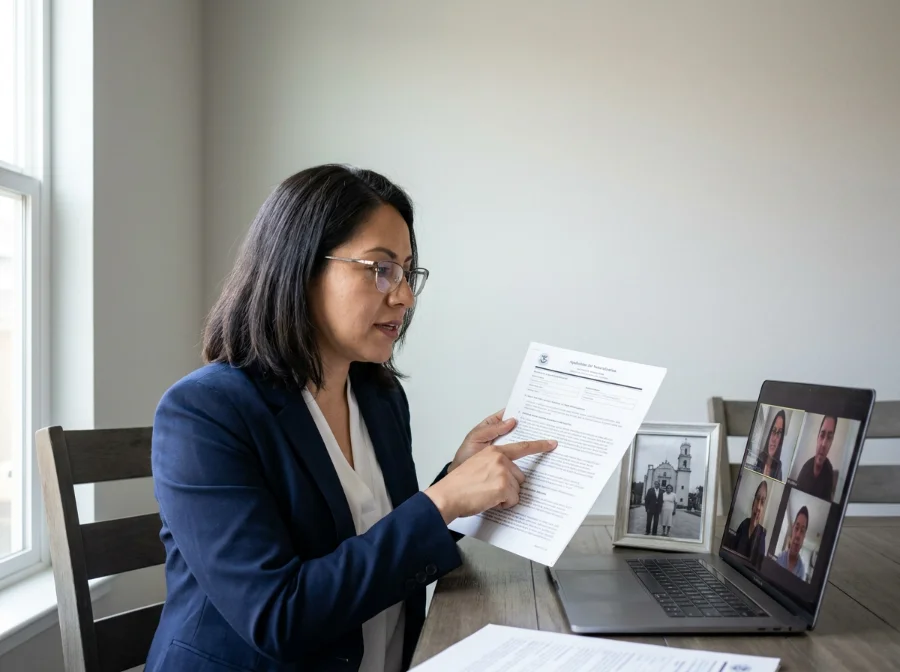
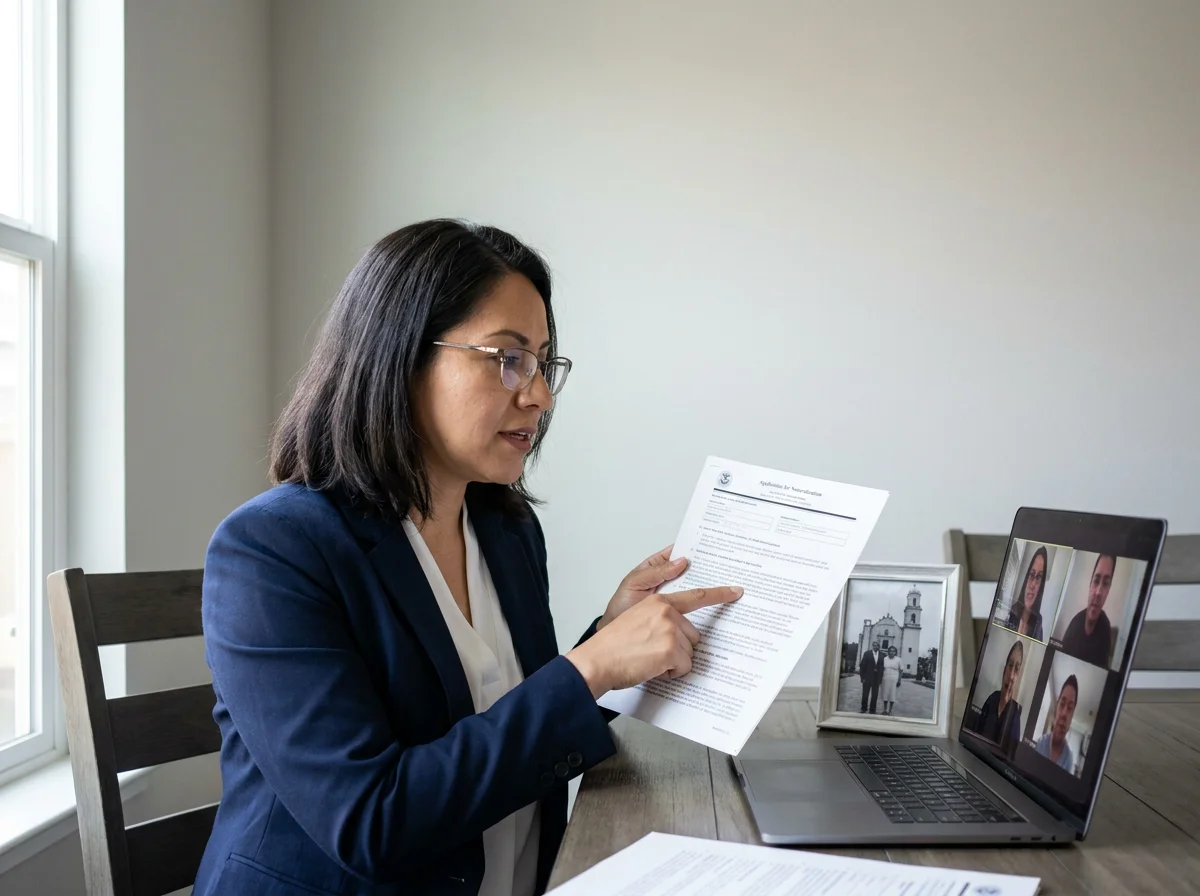
Many families assume that once USCIS approves the I-130 petition, the interview schedules itself. It does not. Consular processing is a cross-agency sequence that moves through USCIS, the National Visa Center, and the consulate, and most delays happen between those handoffs, not because of the petition itself. Managing timing, civil documents, and fee steps early is what keeps family reunification from stalling. If you are ready to map out your family's next steps, KPB Immigration Law Firm can help you move the case forward.
What Happens After I-130 Approval in Consular Processing
USCIS approval is progress, not proximity to an interview. After I-130 approval in consular processing, the case moves to the National Visa Center (NVC) for a separate, document-intensive review: fees paid, forms submitted, civil documents uploaded and accepted, all before the consulate will schedule anything. Most families do not expect a third agency in this sequence, and that gap is where delays quietly accumulate.
The Case Transfers to the National Visa Center First
After USCIS approves the I-130, the case moves to the National Visa Center (NVC). The NVC manages the file until it is ready for a consulate to schedule an interview. Nothing at the consulate begins until the NVC completes its review.
Fees and Forms Come Before the Interview
The NVC opens the case by sending fee instructions. Once fees are paid, the applicant completes the DS-260 immigrant visa application online, and the petitioner submits an affidavit of support. Civil documents are uploaded after that. Only when the NVC accepts all submitted materials does it schedule the consular interview.
Waiting Without Acting Is Where Cases Lose Time
Families who treat NVC as a passive waiting period often pay for it later. A missed notice, an incomplete document, or a delayed affidavit of support can put the case back in the queue. Early document review, covered in detail in KPB's family-based immigration guide, is the most direct way to avoid those gaps.
Civil Documents to Prepare for the NVC Stage
Paying the NVC fees does not move your case to the interview stage by itself. The National Visa Center holds the case until every required civil document is reviewed and accepted, and missing or incomplete records are one of the most common reasons families wait longer than they expect. The USCIS Policy Manual makes clear that primary civil records, meaning the original or certified government-issued versions, carry the most weight, and that secondary or delayed documents require additional corroborating evidence to pass review.
For cross-border cases, knowing which civil documents you need for I-130 consular processing at the NVC stage before the request arrives saves weeks:
- Gather birth certificates for every person named in the petition. The NVC needs the applicant's birth certificate, and for derivative applicants (children immigrating with a parent), each child's record as well. Mexico-issued birth certificates must match the name and date exactly as they appear in the visa application.
- Include marriage and divorce records if they apply. A petitioning spouse needs proof of the current marriage. If either party was married before, every prior marriage must be documented with a divorce decree or death certificate.
- Obtain a valid passport for the immigrant visa applicant. The passport must be valid for at least six months beyond the intended entry date, so check the expiration date before uploading anything to the NVC.
- Request police clearance certificates early. Most adult applicants need police certificates from every country where they have lived for six months or more since age 16. These can take time to obtain and often have short validity windows, so timing matters.
- Confirm that translations meet the standard. Any document not in English must include a certified translation. A translation that looks complete but omits a field, uses a non-standard format, or is unsigned can send the case back for correction.
- Check that the affidavit of support matches the visa application facts. The financial sponsor's income, household size, and the number of people being sponsored must align across Form I-864 and the DS-260 immigrant visa application. A mismatch between those documents can trigger a follow-up request and push the interview further out.
Country-specific rules also affect what version of a document the consulate will accept. The State Department maintains a Foreign Affairs Manual and reciprocity tables that outline exactly which civil records are acceptable for each country. For Mexico-based applicants, reviewing those country notes before uploading anything to the NVC is a practical step most families skip, and one that causes avoidable delays.
Keep the Case Moving With Early Legal Review
I-130 consular processing does not stall because families stop caring. It stalls because timing gaps, missing records, and small inconsistencies between documents pile up quietly between agencies. Catching those issues early, before the National Visa Center flags them or the consulate raises them in an interview, keeps reunification on track instead of months behind.
KPB handles family-based immigration consular processing as an immigration-only practice, with attorneys working across eight offices in Northern California and Mexico and a multilingual team that can work through your documents in the language you actually use. Whether your case is still at the NVC or your interview is already scheduled, schedule a consultation to review where things stand and map out what comes next.

