

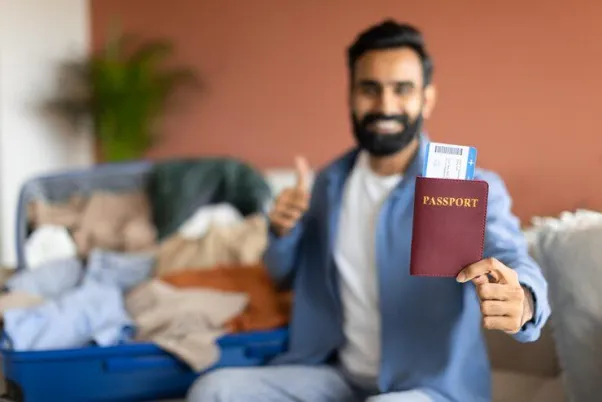

Studying in the United States can be an important educational opportunity for international students, but obtaining an F-1 student visa requires careful preparation. Applicants must demonstrate that they meet the visa requirements, have been accepted by an eligible educational institution, and understand the conditions attached to F-1 status.
KPB immigration provides immigration legal guidance for individuals and families navigating U.S. immigration matters. For students preparing to study in San Jose or elsewhere in the United States, understanding the application process, documentation requirements, and visa interview expectations can help reduce avoidable errors.
This guide explains the F-1 student visa process, including eligibility, the US student visa application, required documents, interview preparation, and circumstances in which an immigration lawyer San Jose may be able to provide legal guidance.
What Is an F-1 Student Visa?
An F-1 visa is a nonimmigrant visa for individuals who want to study full-time at an eligible academic institution in the United States. This can include universities, colleges, high schools, language training programs, and other qualifying educational institutions.
Students seeking an F-1 visa generally need to be accepted by a school certified by the Student and Exchange Visitor Program (SEVP). After admission, the school provides Form I-20, which is an important document in the visa process.
F-1 status is generally tied to the student's educational program and compliance with applicable immigration requirements. Students must maintain the conditions of their status while studying in the United States.
F-1 Student Visa Eligibility Requirements
Before beginning the application process, prospective students should determine whether they meet the basic requirements for an F-1 visa. Eligibility is based on several factors, including admission to an eligible institution, academic preparation, financial ability, and the purpose of the intended stay.
Admission to a SEVP-Certified School
The first major step is obtaining admission to a SEVP-certified educational institution. Once the school accepts the student and the required information is processed through SEVIS, the institution generally issues Form I-20.
The information on Form I-20 should be reviewed carefully because it contains details about the student's program, expected start date, and estimated educational expenses.
Ability to Fund Education and Living Expenses
Applicants generally need to demonstrate that they have sufficient financial resources to cover tuition, living expenses, and other expected costs during their period of study.
Financial evidence may include bank statements, scholarship documentation, financial sponsorship records, or other appropriate supporting evidence. The documents should be consistent with the information provided during the application process.
Academic Preparation
The applicant should have the educational background required for the selected program. Academic transcripts, diplomas, certificates, test scores, and other educational records may be relevant depending on the school and program.
Temporary Intent
Because an F-1 visa is a nonimmigrant visa, applicants may need to demonstrate that they understand the temporary nature of their stay and intend to comply with the terms of their status.
An applicant's individual circumstances matter when evaluating how to present information about their educational plans and future intentions.
US Student Visa Application Process
The US student visa application involves multiple stages. Completing each stage accurately can help prevent unnecessary delays or complications.
Step 1: Apply to a U.S. Educational Institution
Students should first research eligible schools and apply to institutions that offer programs matching their academic goals. After acceptance, the school generally provides Form I-20 for the student visa process.
Step 2: Pay the Required SEVIS Fee
Eligible F-1 applicants generally need to pay the required I-901 SEVIS fee before the visa interview. Applicants should retain proof of payment because it may be needed during the visa process.
Step 3: Complete Form DS-160
The DS-160 is the online nonimmigrant visa application form. Applicants must provide accurate information about their identity, education, travel plans, background, and other requested details.
Information in the DS-160 should be consistent with supporting documents and answers provided during the visa interview. Inaccuracies or unexplained inconsistencies can create additional questions.
Step 4: Schedule the Visa Interview
After completing the required application steps, applicants generally schedule a visa appointment through the appropriate U.S. visa process for their location.
The interview is an important part of the application. Applicants should bring the required documentation and be prepared to explain their educational plans clearly.
Step 5: Attend the Interview
During the interview, a consular officer may ask about the applicant's school, chosen program, academic history, financial resources, and plans after completing the program. Answers should be truthful, direct, and consistent with the information in the application.
Documents for an F-1 Student Visa
The exact documents required can vary depending on the applicant's circumstances and the instructions provided by the U.S. embassy or consulate. Applicants should carefully review the current requirements applicable to their location.
Common documents may include:
- Valid passport
- Form I-20
- DS-160 confirmation
- Visa appointment confirmation
- SEVIS fee payment receipt
- Admission or acceptance documentation
- Academic records
- Financial evidence
- Scholarship or sponsorship documents, where applicable
- Evidence supporting the purpose of the proposed study
Additional documents may be relevant depending on the applicant's personal, academic, or financial circumstances.
F-1 Student Visa Interview Preparation
Student visa interview preparation should begin before the appointment rather than immediately before entering the consular office. The purpose is not to memorize scripted responses, but to understand the application and communicate the student's plans accurately.
A student should be able to explain why they selected a particular school and program. The answer should reflect genuine academic reasoning rather than simply stating that the institution is located in the United States.
Applicants should also understand their program, expected tuition and living costs, funding arrangements, and educational objectives. If a parent, relative, scholarship, or another sponsor is providing financial support, the student should understand the basic details of that arrangement.
Common F-1 Visa Interview Questions
A consular officer may ask questions such as:
Why did you choose this university or college?
The applicant should explain the academic reasons for selecting the institution and program.
Why do you want to study in the United States?
The response should focus on legitimate educational objectives and how the selected program fits the student's academic plans.
Who will pay for your education?
The applicant should be familiar with the source of funding and be prepared to explain how tuition and living expenses will be covered.
What will you do after completing your studies?
Applicants should answer truthfully and demonstrate an understanding of the temporary nature of F-1 status.
Why did you choose this particular course?
The applicant should be able to connect the course with their previous education, professional interests, or legitimate academic goals.
The quality of an interview response is not determined by length. Clear and truthful answers are generally preferable to lengthy explanations that introduce unnecessary information.
How an Immigration Attorney Can Help With F-1 Visa Matters
An immigration attorney can help applicants understand applicable immigration requirements and identify potential issues in their circumstances. Legal guidance can be particularly useful when an applicant has a complicated immigration history, previous visa refusal, status issue, criminal matter, or other circumstance that may affect the application.
An attorney can also review relevant documentation and explain potential concerns before an applicant proceeds.
However, legal representation does not guarantee visa approval. Visa decisions are made by the appropriate U.S. government authorities based on the facts and applicable law.
When to Consider an F-1 Student Visa Attorney in San Jose
Students in the San Jose area may consider consulting an F-1 student visa attorney San Jose when their circumstances involve issues that require individualized legal analysis.
For example, legal guidance may be appropriate when a student has previously been refused a visa, has questions about maintaining F-1 status, has changed educational programs, or has concerns about how a prior immigration matter could affect a future application.
A student visa lawyer San Jose can also help explain the legal significance of specific circumstances. The value of legal assistance depends on the individual case, so students should provide complete and accurate information when seeking advice.
Maintaining F-1 Status After Entering the United States
Obtaining an F-1 visa is not the final step. Students must continue complying with the conditions of F-1 status after entering the United States.
Students generally need to maintain enrollment and make satisfactory academic progress according to the requirements applicable to their program. They should also follow rules concerning employment, program changes, travel, and other immigration matters.
Students should communicate with their designated school official when they have questions about their status. A designated school official can provide guidance regarding school-related SEVIS matters, while an immigration lawyer can address legal questions that require individualized immigration analysis.
What Can Cause Problems With an F-1 Visa Application?
Several issues can create concerns during the application process. These can include incomplete information, inconsistencies between the DS-160 and supporting documents, unclear financial arrangements, insufficient preparation for questions about the educational program, or failure to understand the conditions of F-1 status.
A previous visa refusal does not necessarily mean that a future application cannot succeed. However, applicants should understand the reason for the previous refusal and determine whether their circumstances or evidence have changed before submitting another application.
Providing false information or misleading documentation can create much more serious immigration consequences. Applicants should therefore ensure that all information submitted is accurate.
Preparing for Your F-1 Visa Interview in San Jose
Applicants should organize their documents well before the appointment and review the information submitted in their application. They should understand their educational program, financial arrangements, school details, and intended course of study.
Practising potential questions can help students become more comfortable communicating their plans. However, applicants should avoid memorizing artificial answers or relying on information they do not understand.
If there are unusual circumstances in the applicant's background, obtaining individualized legal advice before the interview may help the student understand potential legal issues and prepare appropriately.
For questions about an individual immigration matter, applicants can Contact us to discuss whether legal guidance may be appropriate for their circumstances.
Final Thoughts
The F-1 student visa process requires more than admission to a U.S. educational institution. Students must complete the required application steps, provide appropriate documentation, understand their financial arrangements, and prepare to explain their educational plans during the visa interview.
Careful student visa interview preparation can help applicants communicate accurately and confidently. Students with unusual circumstances or concerns about eligibility may also benefit from discussing their situation with KPB immigration or a qualified immigration professional before proceeding.
The most important principle throughout the process is accuracy. Applicants should provide truthful information, maintain consistency between their documents and statements, and understand the requirements that apply to their individual circumstances.

