


Key Takeaways
- VAWA eligibility depends on more than your relationship label; USCIS looks at whether you can document a qualifying relationship, the history of the abuse, shared residence, and, for spouses, a good-faith marriage.
- You do not need a police report, hospital record, or perfect paper trail to file. USCIS can consider any credible evidence, but submitting these records when available may strengthen your case by supporting your declaration and the facts you describe.
- Removal proceedings, having lived in another country or needing records from abroad does not automatically prevent a VAWA filing, but it may require additional evidence planning.
Most people searching for VAWA requirements aren't looking for a form number. They want to know two things: whether their situation qualifies, and whether the evidence they can safely gather is enough to make the case. That second question is where most VAWA filings succeed or fall short. USCIS evaluates every self-petition on four elements: a qualifying relationship, abuse or extreme cruelty, shared residence, and good moral character.
Knowing what each element requires and what evidence supports it, without creating new risk, is what the sections below walk through. Schedule a consultation with KPB to review your case before you file.
Who Qualifies for a VAWA Self-Petition
Knowing whether you qualify for a VAWA self-petition in 2026 starts with one question: who abused you, and what is your legal relationship to that person? The answer shapes everything else about your case.
The Relationship Must Be Specific
USCIS allows three categories of people to file a VAWA self-petition: a spouse or former spouse of a U.S. citizen or lawful permanent resident (LPR), a child of an abusive U.S. citizen or LPR, and a parent abused by a U.S. citizen son or daughter who is at least 21 years old.
Your Status Alone Does Not Decide the Case
Qualifying is not just about who the abuser is. USCIS reviews the full picture: your relationship history, how long you lived together, the timing of the abuse, and whether the marriage was entered in good faith if you are filing as a spouse. The qualifying relationship establishes eligibility to seek VAWA protection, but the documented facts and evidence are what support the case.
Cross-Border and Removal Situations Add Urgency
If you are already in removal proceedings, living apart from the abuser, or if your case involves multiple residences or records from different locations, organizing consistent evidence can help clearly establish the facts relevant to your VAWA petition. A VAWA self-petitioner can also pursue a green card and certain immigration benefits. Seeking legal review early can help you understand and preserve your available options.
What to Prove and Which Documents Help
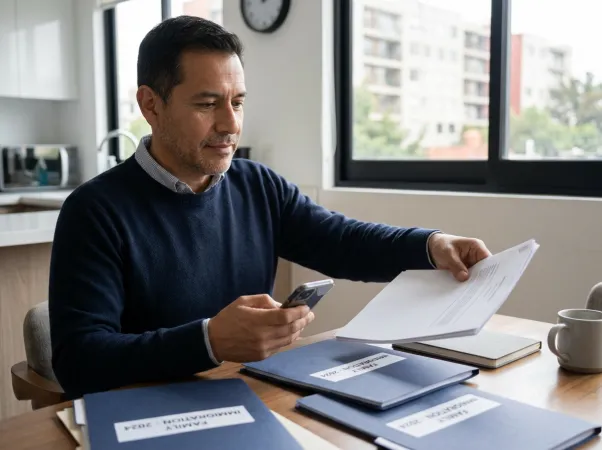
What separates VAWA from most immigration filings is that USCIS accepts "any credible evidence" and weighs it based on what is realistically available in your situation. That standard shifts the question from "Do I have the right documents?" to "Does my evidence adequately support the facts of my case?" A strong case is rarely built on a single record; it is built on materials that reinforce one another across all required elements.
Here is how evidence maps to each element:
- Abuse or extreme cruelty: Police reports and medical records help, but they are not required. Personal declarations, counseling records, text messages, photos, voicemails, protective orders, and statements from people who witnessed the harm can also serve as evidence of abuse or extreme cruelty in a VAWA case when they accurately reflect the facts.
- Shared residence: You do not need a joint lease or every bill addressed to both of you. Leases, mail, school enrollment records, utility bills, tax documents, insurance cards, and affidavits from neighbors or community members can all show that you and the abuser lived together at some point during the relationship.
- Good moral character: This usually means submitting records that show your ties and conduct in the community, such as tax returns, employment records, or letters from people who know you. Any arrests, charges, or past immigration violations should be evaluated with an attorney before filing to determine how they may affect the case.
- The qualifying relationship: You will need to document your connection to the abusive U.S. citizen or lawful permanent resident, whether through a marriage certificate, birth record, or other official record. USCIS reviews the full relationship history in context, so timing and facts about the relationship matter alongside the paperwork.
Gaps in records are common, and USCIS expects them. What matters is that your declaration and supporting materials tell a consistent, credible story across every element. The strength of a VAWA file is not in its completeness; it is in whether each piece of evidence supports the same honest account.
Prepare the Case Before You File
A VAWA filing is only as strong as the plan behind it. Before you submit Form I-360, it helps to map out your evidence across all four required elements, flag any gaps, and think carefully about criminal history or open removal proceedings. USCIS reviews the full record in context, so weak spots that go unaddressed before filing can hurt a case that might otherwise be approvable.
If records are missing, incomplete, or spread across two countries, a VAWA immigration attorney can help you build a coherent picture from what you actually have and make sure nothing you submit creates new risk. KPB's attorneys work exclusively in immigration law, which means every VAWA review also accounts for how the filing connects to removal proceedings, future adjustment of status, and cross-border records that require careful handling from both sides.
If you are ready to review your situation and figure out where your case stands, contact KPB Immigration Law Firm to schedule a consultation with an attorney who handles VAWA and humanitarian relief cases directly.

