

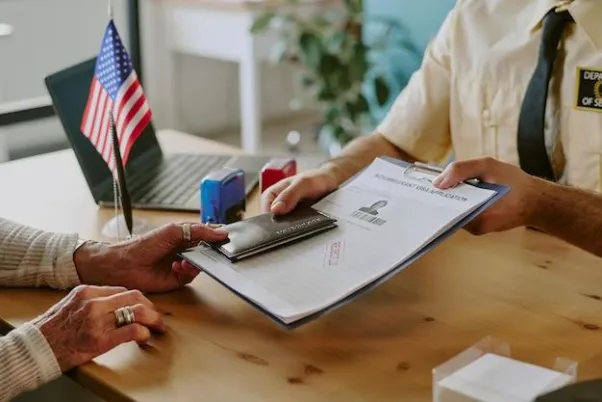

Complex U.S. visa applications can involve detailed forms, supporting evidence, eligibility requirements, prior immigration history, and questions about how different parts of a case fit together. An immigration attorney for visa application matters can review the applicant's circumstances, identify legal concerns, organize the case strategy, and help prepare accurate documentation. KPB Immigration Law Firm can assist applicants who need legal guidance for complicated visa matters where a simple form-filing service may not be enough.
What Makes a U.S. Visa Application Complex?
A U.S. visa application can appear straightforward on paper, but the legal analysis behind it may be much more involved. The correct visa category depends on the applicant's purpose, qualifications, family or employment circumstances, immigration history, and the requirements attached to that particular visa.
A case may also become more complicated because of previous visa refusals, overstays, status violations, criminal records, inaccurate information on an earlier application, changes in employment, unusual family circumstances, or questions about eligibility.
For business owners and professionals, the situation can involve additional documentation. An applicant may need to show the nature of a business, the proposed role in the United States, financial information, professional qualifications, or a legitimate relationship with a U.S. employer or sponsoring organization.
An experienced U.S. visa lawyer does more than help complete paperwork. The attorney examines the legal facts behind the application and helps determine how those facts should be presented and supported.
How Does an Immigration Attorney Help With a Complex Visa Application?
An attorney can provide legal analysis throughout the application process, from selecting an appropriate visa category to responding to concerns raised by immigration authorities or a consular officer.
The exact assistance depends on the visa type and the applicant's circumstances, but several areas commonly require careful attention.
1. Selecting the Appropriate Visa Category
Choosing the correct visa category is one of the earliest decisions in the process. Different visas have different eligibility standards, documentation requirements, and limitations.
For example, a person traveling temporarily for business has different requirements from a foreign national seeking employment, studying in the United States, joining family members, or pursuing permanent residence.
An immigration lawyer for visa application matters can review the applicant's objectives and circumstances before documents are prepared. This can help reduce the risk of building an application around a visa category that does not fit the applicant's situation.
The attorney may also identify alternative legal options when the initial visa category appears unsuitable.
2. Reviewing Eligibility Before Filing
A strong application begins with an assessment of eligibility rather than simply filling out forms.
An attorney can review information such as:
- Previous U.S. immigration and travel history
- Employment, education, family, and financial circumstances
- Prior visa refusals, overstays, or immigration violations
This review can reveal issues that may not be obvious to an applicant. It also gives the attorney an opportunity to identify documents or explanations that may be needed before submission.
For complicated matters, early legal review can be particularly useful because correcting a problem after filing may be more difficult than addressing it during preparation.
3. Preparing and Reviewing Visa Forms
Visa applications often require detailed information, and consistency matters. For many nonimmigrant visas, applicants complete Form DS-160. The U.S. Department of State states that answers must be accurate and complete, and inaccurate or misleading information can create serious consequences.
An attorney can review the information provided by the applicant and check it against supporting records. This may include reviewing employment dates, addresses, travel history, education, family information, previous immigration filings, and other relevant details.
A visa immigration lawyer can also help identify areas where an applicant's circumstances require additional explanation rather than leaving potentially confusing information unexplained.
The attorney does not replace the applicant's responsibility to provide truthful information. The applicant remains responsible for the accuracy of the information submitted.
4. Building Supporting Evidence
Forms alone rarely tell the complete story of a complex case. Supporting evidence can help establish the facts that matter under the relevant visa requirements.
The type of evidence depends on the visa. Employment-based cases may involve employer documentation, professional credentials, job information, financial records, or evidence concerning the applicant's qualifications. Family-based cases can involve civil records and evidence of qualifying relationships.
A visa application lawyer can identify which documents are relevant, review them for consistency, and organize the supporting material around the legal requirements of the case.
The goal is not to submit the largest possible collection of documents. The goal is to submit relevant evidence that clearly supports the applicant's claims.
Why Consistency Matters Across the Application
One common problem in a complex visa application is inconsistency.
An applicant may provide one employment date on a form, another date on a résumé, and a third date in an interview. Even when the discrepancy is accidental, it can create questions that require clarification.
The same issue can arise with travel history, marital status, addresses, education, job responsibilities, or previous immigration applications.
An attorney can conduct a detailed review before filing to identify inconsistencies and determine how legitimate differences should be explained. This preparation is especially useful when an applicant has a long immigration history or has submitted several applications over the years.
How Attorneys Prepare Applicants for Visa Interviews
A visa interview can be brief, but the applicant's answers may have significant importance. The U.S. Department of State explains that consular officers use interviews to determine eligibility, and applicants must provide the required documentation for their visa category.
An attorney can help an applicant understand the legal issues behind the case and prepare to answer questions accurately and directly.
Interview preparation may involve reviewing:
- The purpose of the proposed trip or stay
- Employment, education, family, or financial circumstances
- Previous U.S. travel and immigration history
- Documents submitted with the application
The purpose of preparation is not to create rehearsed answers. It is to help applicants understand their case, recognize areas that may receive attention, and provide truthful answers supported by their records.
For an applicant with a complex visa application, this preparation can be particularly valuable when the case contains unusual circumstances or previous immigration issues.
Addressing Previous Visa Refusals and Immigration Problems
A previous visa refusal does not automatically mean that a future application will be refused. The significance of a prior refusal depends on the reason for the decision and the circumstances of the new application.
An attorney can review the previous case, identify the stated or apparent concern, and assess what has changed.
The same principle applies to other immigration complications. A history involving an overstay, unauthorized employment, inaccurate information, or another immigration issue may require legal analysis before a new application is submitted.
Applicants should not assume that an old problem is irrelevant simply because it occurred several years ago. Immigration records and prior applications can matter when a new case is evaluated.
A U.S. immigration attorney can help determine what legal issues need to be addressed and what documentation or explanation may be appropriate.
Assistance With Employer and Business-Related Visa Matters
Business owners, executives, investors, and employees may face additional documentation requirements because their U.S. visa application can involve both personal qualifications and business-related facts.
For example, a case may require evidence concerning an employer, investment, corporate structure, job duties, professional experience, or the financial condition of a business.
An attorney can coordinate the legal requirements with information supplied by the employer or applicant. This can make it easier to identify missing evidence before the application reaches the filing or interview stage.
For companies sending employees to the United States, legal guidance can also help the business understand which visa category aligns with the employee's actual role and planned activities.
What Legal Help Can and Cannot Do
Professional legal assistance can improve the preparation and presentation of an application, but no attorney can guarantee visa approval.
The final decision depends on the applicable immigration law and the government agency or consular officer responsible for the case.
USCIS explains that applicants may prepare and file immigration applications themselves, but attorneys and authorized accredited representatives can provide legal advice, explain immigration options, and communicate with USCIS when properly authorized.
That distinction matters. A person who only helps complete blanks or translate documents is not the same as a licensed attorney providing immigration advice.
Applicants should also be cautious about paying individuals who are not authorized to provide immigration legal services.
When Should You Consider Hiring a Visa Immigration Lawyer?
Legal assistance can be useful even before an application is submitted. Early advice gives an attorney more time to identify concerns and determine what evidence may be required.
You may want to speak with an attorney before filing if your case involves a previous refusal, immigration violation, complicated family circumstances, unusual employment history, questions about eligibility, or conflicting information in earlier applications.
Professional guidance may also be appropriate for applicants who simply do not understand which visa category fits their circumstances.
The question is not only, "Can I complete the form myself?" A more useful question is whether your case contains legal issues that require interpretation rather than administrative assistance.
How the Legal Process Typically Works
The process varies by visa category, but legal representation commonly follows a structured sequence.
First, the attorney reviews the applicant's goals, history, and eligibility. Next, the attorney identifies the relevant visa category and explains the legal requirements. The applicant then provides documents and information needed to prepare the case.
After reviewing the evidence, the attorney can help prepare or review the applicable forms and supporting documentation. For cases involving USCIS, an attorney representing the applicant generally files Form G-28 so USCIS knows that the attorney is authorized to act as the representative.
For consular visa processing, the applicant may need to complete the applicable online application, submit required documents, and attend an interview. For immigrant visas, the Department of State uses Form DS-260 during the application process, followed by interview and document requirements.
The attorney's role can continue through requests for additional information, procedural questions, or other legal issues that arise during the case.
How KPB Immigration Law Firm Can Help With Difficult Visa Cases
A complicated visa matter often requires more than completing forms correctly. It requires understanding how the applicant's facts relate to immigration law and presenting those facts clearly.
KPB Immigration Law Firm can provide legal guidance for applicants dealing with complicated U.S. visa matters, including case assessment, documentation review, application preparation, and preparation for issues that may arise during processing.
The value of legal assistance is strongest when an applicant has circumstances that require interpretation, explanation, or careful documentation.
Making an Informed Decision About Legal Representation
A U.S. visa application involves more than submitting information and waiting for a decision. The visa category, supporting evidence, immigration history, and applicant's answers can all affect how the case is assessed.
For a straightforward case, an applicant may be comfortable handling the process independently. A case involving prior immigration issues, unusual facts, complex employment circumstances, or questions about eligibility deserves closer legal attention.
An experienced immigration lawyer for U.S. visa matters can help identify those issues before they become larger problems and provide practical visa application legal help based on the facts of the individual case.
The right legal strategy cannot guarantee approval, but careful preparation can give an applicant a clearer understanding of the requirements, the risks, and the steps involved. If your circumstances raise questions about eligibility or documentation, consider speaking with qualified counsel before submitting the application. Contact Us to discuss your circumstances and learn what legal assistance may be appropriate for your U.S. visa case.

