

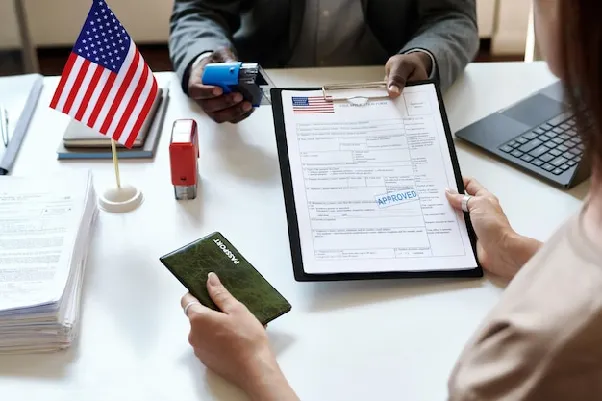

Navigating the U.S. immigration system can be challenging for both employers and foreign workers. An immigration attorney for work visas helps individuals and businesses understand visa requirements, avoid procedural mistakes, and respond to legal complications during the immigration process.
KPB Immigration Law Firm provides legal guidance for employment-based immigration matters, including work visa applications, compliance concerns, and immigration-related legal strategies. Understanding when legal assistance becomes necessary can help applicants reduce delays and avoid preventable issues.
Understanding Work Visas in the United States
Work visas allow foreign nationals to enter the United States temporarily or permanently for employment purposes. Different visa categories apply depending on the worker’s qualifications, the employer’s needs, and the intended duration of employment.
Some of the most common employment-based visas include:
| Visa Type | Purpose | Common Applicants |
|---|---|---|
| H-1B | Specialty occupations | IT professionals, engineers, analysts |
| L-1 | Intracompany transfers | Executives and managers |
| O-1 | Extraordinary ability | Researchers, artists, athletes |
| TN | NAFTA/USMCA professionals | Canadian and Mexican professionals |
| EB-2 / EB-3 | Permanent employment visas | Skilled workers and professionals |
Each visa category has unique eligibility requirements, filing procedures, and deadlines. Errors in documentation or misunderstanding eligibility standards may result in delays or denials.
Why Immigration Laws for Work Visas Are Complex
U.S. immigration laws frequently change due to updates in government policy, labor regulations, and visa processing standards. Employers and applicants must comply with several legal requirements during the application process.
Common Challenges Applicants Face
Changing Immigration Policies
Visa eligibility rules and filing procedures may change with little notice. Applicants who rely on outdated information may submit incomplete or incorrect applications.
Documentation Requirements
Work visa applications often require:
- Employment contracts
- Educational records
- Wage documentation
- Employer sponsorship evidence
- Proof of qualifications
Even minor inconsistencies in supporting documents can create complications.
Strict Filing Deadlines
Many visa categories operate under annual quotas or filing windows. Missing a deadline may delay employment opportunities for months or even years.
Requests for Evidence (RFEs)
U.S. Citizenship and Immigration Services (USCIS) may issue RFEs requesting additional information. Responding improperly can negatively affect the outcome of a case.
What an Immigration Attorney for Work Visas Does
An immigration attorney for work visas assists applicants and employers throughout the legal process. Their role involves more than submitting paperwork.
Assessing Visa Eligibility
An attorney evaluates which visa category best matches the applicant’s qualifications and employment situation. Choosing the wrong category can lead to unnecessary denials or delays.
Preparing and Reviewing Applications
Immigration attorneys help organize and review documents before submission. This may reduce the likelihood of inconsistencies or omissions.
Communicating With Government Agencies
Legal representatives can communicate with USCIS, the Department of Labor, and other agencies on behalf of the applicant or employer.
Handling RFEs and Denials
If the government requests additional evidence or denies an application, an attorney may help prepare legal responses or appeals.
Supporting Employer Compliance
Employers sponsoring foreign workers must follow labor and wage regulations. Attorneys assist companies in understanding these obligations and maintaining compliance.
Situations Where Legal Help Often Becomes Important
Not every work visa case requires legal representation. However, certain situations increase the need for professional legal guidance.
Complex Employment Situations
Multiple Visa Options
Some professionals may qualify for several visa categories. For example, an executive transferring within a multinational company may qualify under both L-1 and EB-based categories.
An attorney can compare long-term implications before filing.
Self-Employment or Startup Sponsorship
Entrepreneurs and startup founders often face challenges proving employer-employee relationships or financial stability.
Prior Immigration Violations
Previous visa overstays, deportation orders, or immigration violations may affect eligibility for future work visas.
In such cases, legal analysis becomes especially important.
Employer-Related Challenges
Labor Certification Issues
Certain permanent work visas require PERM labor certification, which involves proving that no qualified U.S. workers are available for the position.
This process includes strict advertising and recruitment requirements.
Compliance Audits
Government agencies may audit employers sponsoring foreign workers. Attorneys help businesses maintain records and respond to investigations appropriately.
Workforce Expansion
Companies hiring multiple international employees often need structured immigration compliance systems.
Complicated Family Circumstances
Work visa holders may also need assistance with dependent visas for spouses and children. Changes in employment status can affect family immigration eligibility.
Risks of Handling Work Visa Applications Without Legal Guidance
Some applicants choose to complete the process independently. While this may work for straightforward cases, mistakes can have serious consequences.
Common Risks Include
- Incorrect visa category selection
- Missing documentation
- Filing deadline errors
- Inaccurate employer information
- Misunderstanding eligibility standards
- Poor responses to RFEs
These mistakes may result in:
- Application denials
- Processing delays
- Loss of employment opportunities
- Future immigration complications
How Attorneys Help During Visa Denials or Delays
A visa denial does not always mean the end of the immigration process. Legal professionals may help determine whether the issue can be corrected through additional filings, motions, or appeals.
Reviewing the Denial Notice
Attorneys analyze the legal reasoning behind the denial and identify weaknesses in the original application.
Building Stronger Supporting Evidence
Additional documentation, expert letters, or revised legal arguments may improve the strength of a future filing.
Filing Appeals or Motions
In some situations, applicants may request reconsideration or appeal adverse decisions through legal channels.
Immigration Attorneys and Deportation Concerns
Employment-based visa issues can sometimes create broader immigration problems. Losing legal work status may increase the risk of removal proceedings in certain circumstances.
Understanding legal rights early can help individuals avoid more serious complications later.
Choosing the Right Immigration Attorney for Work Visas
Not all immigration cases involve the same level of complexity. Choosing an attorney with experience in employment-based immigration matters is important.
Factors to Consider
Experience With Employment-Based Immigration
Attorneys familiar with work visas understand common industry-specific challenges and filing trends.
Communication and Transparency
Applicants should understand timelines, expected costs, and legal risks before beginning the process.
Understanding of Employer Compliance
Businesses sponsoring foreign workers benefit from attorneys who understand labor regulations and immigration compliance obligations.
Case Strategy
Each immigration case is unique. A detailed legal assessment helps determine the best approach based on the applicant’s background and employment goals.
Questions to Ask Before Hiring an Immigration Attorney
Before selecting legal representation, applicants and employers may consider asking:
- What work visa categories do you regularly handle?
- Have you managed cases similar to mine?
- What challenges could affect my case?
- What documents will be required?
- How long might the process take?
- Who will handle communication during the case?
These questions may help applicants better understand the legal process and expectations.
The Role of Immigration Attorneys in Long-Term Career Planning
Work visas can affect long-term immigration opportunities, including permanent residency and citizenship pathways.
An immigration attorney for work visas may help applicants evaluate:
- Green card sponsorship options
- Employment transitions
- Visa renewals and extensions
- Family immigration planning
- Employer changes
Strategic planning becomes particularly important for professionals seeking long-term employment in the United States.
Technology, Remote Work, and Evolving Immigration Issues
The modern workforce has changed significantly in recent years. Remote employment, international hiring, and digital business operations have created new immigration questions.
Emerging Legal Concerns Include
- Remote work compliance
- Multi-country employment structures
- Independent contractor classifications
- International payroll concerns
- Digital nomad considerations
Immigration regulations may not always align clearly with modern employment models, making legal interpretation increasingly important.
When Employers Should Consult an Immigration Attorney
Employers often seek legal guidance before hiring international workers to reduce compliance risks.
Situations Where Employers Commonly Need Legal Support
| Situation | Why Legal Guidance Helps |
|---|---|
| Hiring foreign professionals | Ensures proper visa classification |
| Expanding globally | Addresses international workforce compliance |
| Preparing H-1B filings | Manages quota deadlines and documentation |
| Responding to audits | Assists with government investigations |
| Sponsoring green cards | Supports PERM and immigrant petition filings |
Businesses that proactively address immigration compliance may reduce operational disruptions later.
Understanding the Difference Between Immigration Consultants and Attorneys
Applicants sometimes confuse immigration consultants with licensed attorney. However, there are important legal distinctions.
Immigration Attorneys
- Licensed legal professionals
- Authorized to provide legal advice
- Can represent clients in legal proceedings
- May handle appeals and litigation
Immigration Consultants
- May assist with administrative paperwork
- Cannot provide legal representation in many jurisdictions
- Typically limited in legal authority
Understanding these differences helps applicants choose appropriate support for their situation.
How Preparation Improves Work Visa Outcomes
Successful visa applications often depend on preparation and organization.
Best Practices for Applicants
- Maintain accurate employment records
- Gather educational documentation early
- Keep immigration records organized
- Monitor visa expiration dates
- Respond quickly to legal requests
Careful preparation may help reduce delays and administrative issues during the filing process.
Final Thoughts
An immigration attorney for work visas plays an important role in helping applicants and employers navigate a highly regulated legal system. While some straightforward applications may proceed without legal representation, complex immigration matters often require detailed legal analysis and compliance oversight.
Understanding visa requirements, preparing accurate documentation, and responding effectively to government requests can significantly affect the outcome of a case. Early legal guidance may help individuals and businesses avoid unnecessary delays, compliance issues, and future immigration complications.
For case-specific questions or legal guidance, individuals may contact KPB Immigration Law Firm here.

